

Buying a travel trailer for Quebec winters requires more than choosing a model with a comfortable floor plan and modern finishes. Cold temperatures, snow, wind, freezing conditions, and long stretches below zero can quickly expose the limits of a trailer that was designed mainly for summer use.
If you want to camp beyond the traditional season, look for a trailer that was designed with winter travel in mind from the beginning. Before you buy, here are the most important features and questions to consider.
1. Check the Insulation Specifications
Insulation is one of the most important features in any winter-ready travel trailer.
Do not rely only on labels such as “four-season” or “all-season.” Ask for the actual insulation specifications in the walls, roof, and floor. A well-insulated trailer helps retain heat, reduces drafts, and makes it easier for the heating system to maintain a comfortable interior temperature.
For Quebec buyers, insulation becomes especially important during extended winter trips, where temperatures can remain well below freezing for long periods.
2. Look at the Heating System
A strong heating system should work together with the trailer’s insulation.
Ask what type of heating system is installed, how heat is distributed throughout the trailer, and whether important areas such as plumbing compartments receive protection from freezing.
It is also worth asking how efficiently the system operates during longer stays. A heater that works well for an occasional cold night may not provide the same comfort during a multi-day winter trip.
3. Ask How the Plumbing Is Protected
Frozen pipes can quickly turn a winter getaway into a major inconvenience.
Before buying, ask how the trailer’s water lines, tanks, and plumbing components are protected from freezing conditions.
If you plan to use the kitchen, shower, and bathroom during winter, these systems should be designed to operate safely in cold weather rather than requiring you to completely winterize the trailer every time temperatures drop.
4. Check the Windows and Seals
Windows can be one of the biggest sources of heat loss inside a travel trailer. Look for quality windows, doors, and seals that help reduce drafts and limit heat transfer.
At the same time, ventilation is important. Cooking, showering, and simply spending more time indoors during winter can create moisture and condensation. A properly designed ventilation system helps maintain a more comfortable interior environment.
5. Consider Off-Grid Capability
Winter travel in Quebec may take you beyond full-service campgrounds. If you plan to visit remote destinations, ski areas, quiet winter campgrounds, or off-grid locations, consider the trailer’s electrical capabilities.
Useful features may include:
- Solar compatibility
- Adequate battery capacity
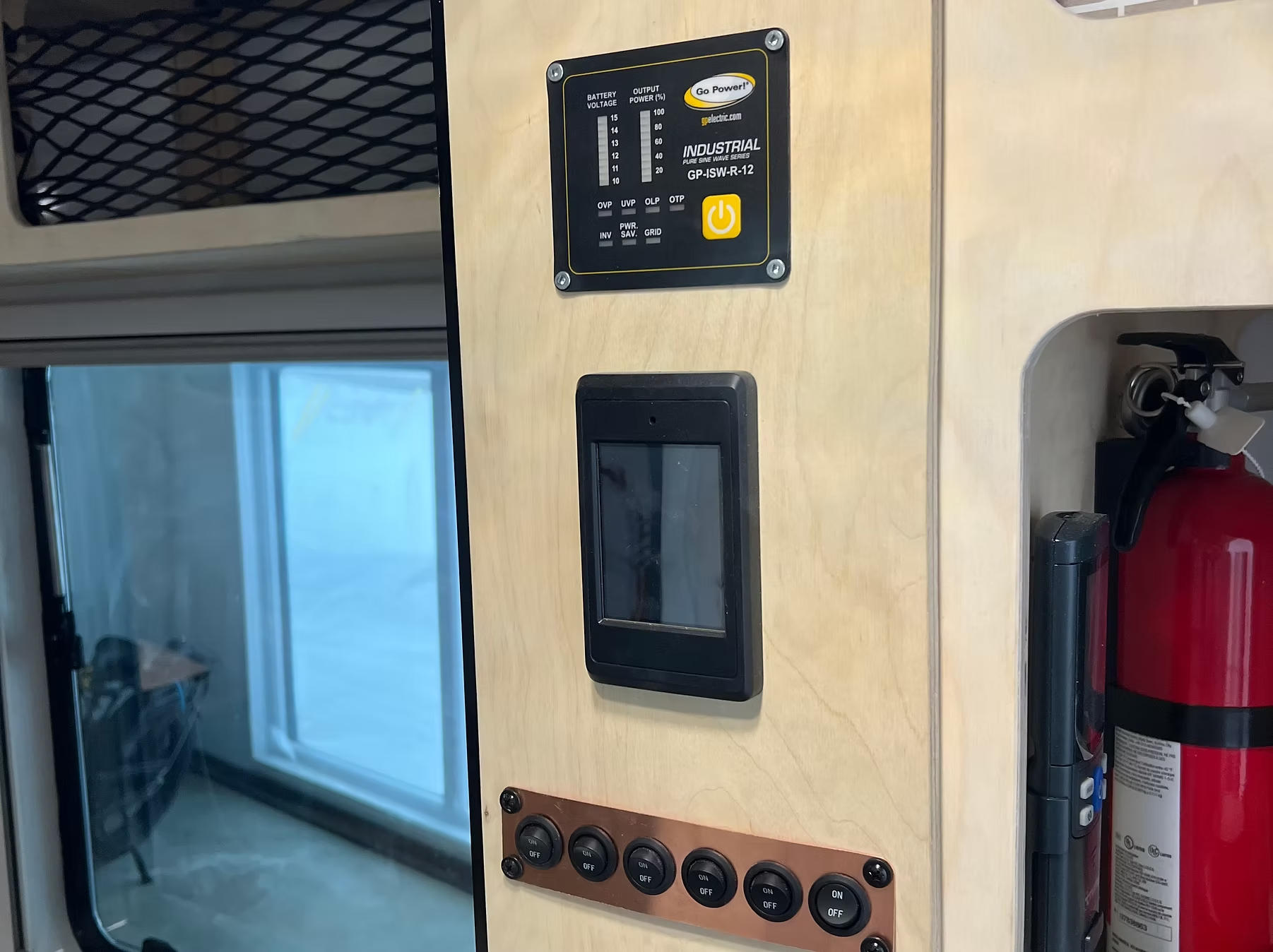
- An inverter
- Energy-efficient appliances
- Multiple charging options
- Systems designed for longer stays without hookups
The more independent your trailer is, the more flexibility you have when choosing winter destinations.
6. Think About Interior Comfort
During summer, much of your camping experience happens outdoors. In winter, you may spend considerably more time inside your trailer.
That makes the interior layout especially important.
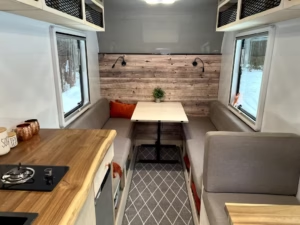
Look for a comfortable sleeping area, practical kitchen, full bathroom, good storage, and enough space for winter clothing, boots, and outdoor equipment.
If skiing, snowshoeing, or winter hiking is part of your travel plans, consider where you will store wet gear and how easily the interior can be kept comfortable and organized.
7. Ask Whether the Trailer Was Designed for Winter From the Start
There is an important difference between a trailer that includes an optional winter package and one that was engineered specifically for four-season use.
Ask the manufacturer how winter performance influenced the original design.
Consider the trailer’s insulation, heating, plumbing placement, construction materials, underbody protection, and overall thermal design.
A purpose-built winter travel trailer is generally a better fit for buyers who plan to use it regularly during Quebec winters rather than only during occasional cold-weather trips.
8. Review Weight and Towing Requirements
Winter roads can already make towing more demanding, so it is important to choose a trailer that is compatible with your vehicle.
Check the trailer’s dry weight, gross vehicle weight rating, axle system, and recommended tow vehicle. Remember that winter equipment, water, batteries, clothing, food, and outdoor gear all add additional weight.
Always confirm your vehicle’s towing capacity before purchasing.
9. Consider Manufacturer Support
Winter travel often comes with more technical questions than summer camping.
Before you buy, find out what warranty is included, where service is available, and how easily you can reach the manufacturer if you need support.
For Quebec buyers, purchasing from a Canadian trailer manufacturer can also make it easier to discuss the realities of Canadian winter travel with a team familiar with local conditions.
A Canadian-Made Winter Trailer for Quebec Adventures
For buyers looking for a Canadian-made winter-ready travel trailer, Liberté Caravans designs and builds the SNØ Arctic Caravan in Canada for four-season use.
The SNØ is designed for travellers who want to continue exploring beyond the summer months, with winter-focused construction, insulation, heating, off-grid capability, and modern interior comfort.
For Quebec travellers planning ski weekends, winter road trips, remote getaways, or year-round adventures, choosing a trailer designed around Canadian conditions can provide greater confidence when temperatures drop.